
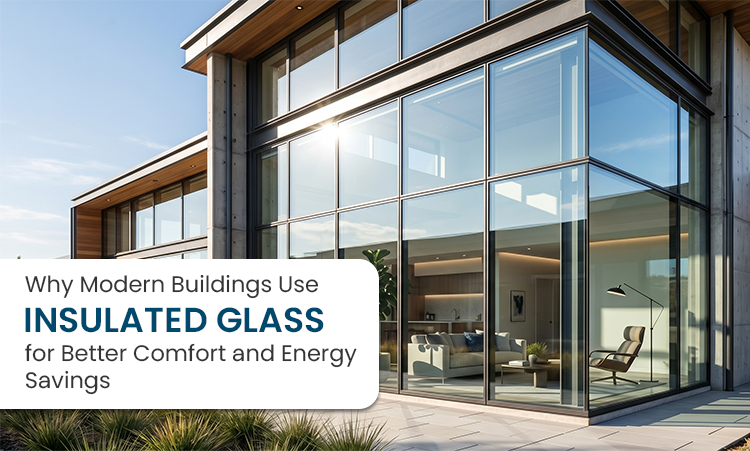
Why Modern Buildings Use Insulated Glass for Better Comfort and Energy Savings
Glass is no longer chosen only for appearance
There was a time when glass decisions were mostly about design. If the building looked modern and clean from the outside, the job felt complete. Today the conversation is different.
Architects, builders, and even homeowners now ask practical questions before selecting glass. How much heat enters the space? Will outside noise become a problem? Will cooling costs increase over time?
This shift is one reason insulated glass benefits are getting more attention in both residential and commercial projects. The focus is no longer only on how glass looks. It is also about how the space feels after people start using it every day.
Why normal glass creates comfort problems over time
Large glass surfaces look attractive, but standard glass also allows significant heat transfer. In hot weather, interiors warm up faster. Rooms exposed to direct sunlight become uncomfortable by afternoon. Air conditioning systems end up working harder to maintain temperature. And noise will become another issue right now. In busy urban areas, traffic sound, construction noise, and outside activity easily enter indoor spaces through regular glazing.
This is where energy efficient glass for buildings starts becoming less of a luxury and more of a practical requirement. Because once the building becomes occupied, comfort matters more than appearance alone.
What insulated glass actually does differently
Insulated glass units are designed using multiple glass layers separated by a controlled space between them. This existing gap now helps reduce heat transfer and will limit outside sound entering the building clearly. The result is a more stable indoor environment for all.
Rooms remain cooler during hot conditions, and external noise feels less aggressive indoors. In many projects, this also improves energy efficiency because cooling systems do not need to work as hard throughout the day. The difference is often noticed after occupancy rather than during installation.
For an industry perspective on modern glazing performance, see Glass on Web. Their coverage of insulated glass units shows why the technology is increasingly chosen for high-performance building envelopes.
Why insulated glass for homes is becoming more common
This trend is no longer limited to commercial buildings. Many homeowners now prefer insulated glass for homes because living comfort has become a bigger priority than before. People are spending more time indoors. Home offices are common. Noise and temperature control matter more in everyday life.
A house with large windows may look beautiful, but if the rooms become excessively hot or noisy, the experience changes quickly. This is why builders and homeowners are paying closer attention to heat reducing glass instead of selecting only based on cost or appearance.
Commercial spaces benefit even more from controlled interiors
Commercial insulated glass applications have increased because offices, hotels, retail spaces, and hospitals depend heavily on indoor comfort. Temperature fluctuation affects energy costs. Noise affects customer experience. Excessive sunlight affects working environments.
Over time, these operational issues become expensive. That is why many modern commercial projects now integrate insulated glazing much earlier during planning instead of treating it as an optional upgrade later. The long-term operational impact usually matters more than the initial installation difference.
Sound control has become a bigger factor than before
Earlier, most glass discussions focused mainly on strength and appearance. Now soundproof glass solutions are becoming equally important, especially in cities. People notice noise faster today because buildings are denser and traffic movement is heavier. Even luxury spaces lose comfort value when constant outside sound enters the interiors.
Insulated glazing helps reduce this effect by limiting sound transmission between outside and inside spaces. Industry discussions around modern architectural glass also increasingly focus on comfort performance and energy control instead of only visual design. That shift is changing how projects evaluate glass today.
How Tufftron approaches insulated glass applications
At Tufftron, glass selection discussions usually begin with understanding how the space will actually function after completion. Because comfort problems rarely become visible during installation day. They appear after the building becomes occupied. This is why insulated glass applications are evaluated not just from a design perspective, but also from heat control, sound reduction, and long-term usability.
Projects looking for dependable insulated glass units often focus on processing quality and application suitability rather than simply comparing quotations. You can explore more about Tufftron’s architectural glass solutions through their official platform at Tufftron.
Closing Thought
Modern buildings are expected to do more than look good. People now expect quieter interiors, stable temperatures, and better day-to-day comfort inside the spaces they use. That is why insulated glass is becoming more common across both homes and commercial buildings.
The difference may not always be obvious during installation. But once people begin living or working inside the space every day, the impact becomes much easier to notice.